The Interplay of Slot Machine Mechanics and Casino Promotions Within Swiss Gambling Regulations
Freya Patterson · Oct 27, 2026
The Interplay of Slot Machine Mechanics and Casino Promotions Within Swiss Gambling Regulations
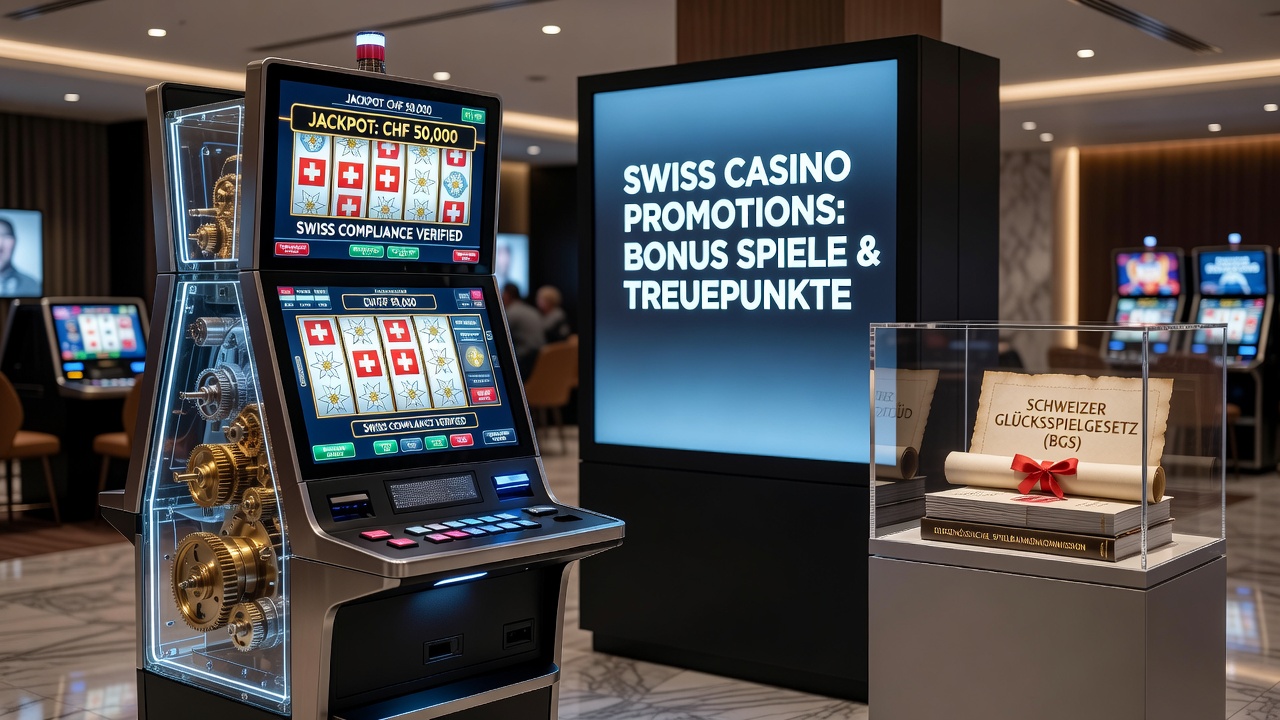
Swiss gambling regulations establish clear boundaries for how slot machine mechanics interact with casino promotions, and operators must align game parameters such as return-to-player percentages with promotional structures that comply with federal oversight. The Federal Act on Gambling and its ordinances define the scope for both physical and online casino activities, requiring that mechanics like reel configurations and bonus trigger frequencies remain consistent across promotional campaigns.
Regulatory Framework Governing Slot Mechanics
Under the Swiss system, slot machines operate within licensed environments where mechanics undergo testing for fairness and randomness before deployment, and data from independent laboratories confirm that random number generators adhere to standards set by the Federal Gaming Board. Promotions that tie into these mechanics, including free spins or deposit matches, receive approval only when they preserve the certified parameters of the underlying games, ensuring that bonus rounds do not alter core volatility or hit rates.
Research conducted by European gaming authorities shows that integrated systems track every promotional adjustment to slot features, and figures reveal that licensed platforms in Switzerland report monthly compliance metrics that cover both mechanical performance and promotional payouts. Those who monitor these reports note that any modification to bonus trigger probabilities must receive prior authorization to maintain regulatory alignment.
Casino Promotions and Their Technical Integration
Casino promotions in Switzerland often link directly to slot mechanics through targeted campaigns that activate during specific reel sequences or progressive meter thresholds, and operators document these connections in detailed submissions to regulators. For instance, a promotion offering additional credits on high-volatility slots requires verification that the base game mathematics stay unchanged while the promotional layer adds value without shifting certified return percentages.
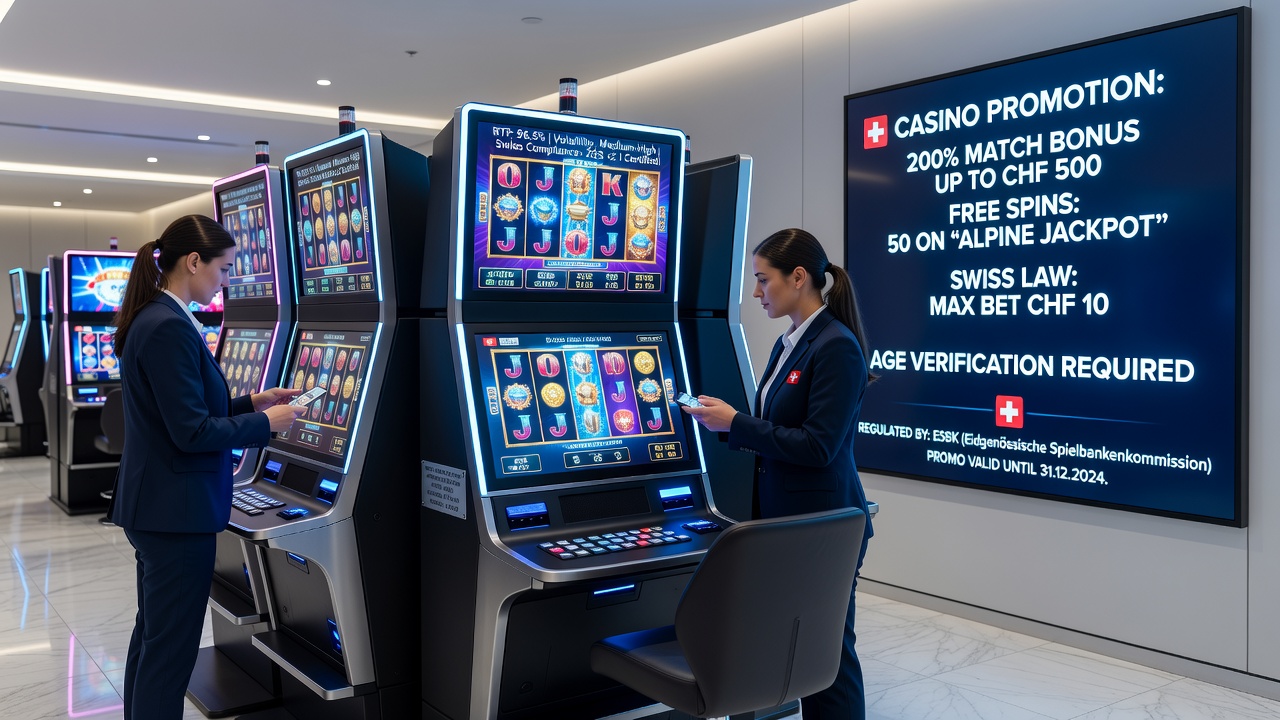
Industry reports from the Swiss Federal Office of Justice indicate that promotional mechanics undergo separate audits when they involve dynamic elements such as multiplier applications or retrigger features, and statistics compiled through October 2026 highlight consistent enforcement across multiple licensed venues. Observers note that these audits examine how promotions influence player engagement metrics without compromising the random integrity of the slot engines themselves.
Technical Requirements for Compliant Promotions
Slot mechanics must display transparent information about base game probabilities even when promotions overlay additional incentives, and Swiss rules mandate that all promotional terms appear in player interfaces alongside mechanical details like payline structures. Data compiled by academic researchers at institutions focused on gaming law demonstrate that platforms maintaining clear separation between core mechanics and promotional layers achieve higher compliance scores in annual reviews.
Promotions involving progressive elements require real-time synchronization with central systems that cap jackpot contributions according to regulatory limits, and operators in Switzerland use certified software to ensure that promotional boosts to these progressives do not exceed thresholds defined in licensing agreements. Evidence from cross-border studies involving Canadian and Australian regulatory bodies suggests that similar technical safeguards prevent mechanics from being altered mid-campaign.
Monitoring and Reporting Obligations
Licensees submit quarterly reports that detail the interplay between slot mechanics and active promotions, covering metrics such as average bonus activation rates and their correlation with reel outcome distributions. According to figures released through Swiss regulatory channels, these reports help authorities verify that promotional structures do not inadvertently favor certain mechanical configurations over others.
Those responsible for compliance systems often integrate automated alerts that flag when a promotion risks influencing certified hit frequencies, and the process relies on continuous data feeds from game servers. Research indicates that platforms adopting these monitoring tools maintain steady adherence levels even as new promotional formats emerge.
Conclusion
Swiss regulations shape the relationship between slot machine mechanics and casino promotions through mandatory testing, transparent reporting, and technical safeguards that preserve game integrity. Operators navigate these requirements by aligning promotional designs with certified parameters, and ongoing oversight ensures that both elements function within established legal boundaries. Data from regulatory sources continue to guide refinements in how these systems operate together.